REACTIVE
CAMPAIGNS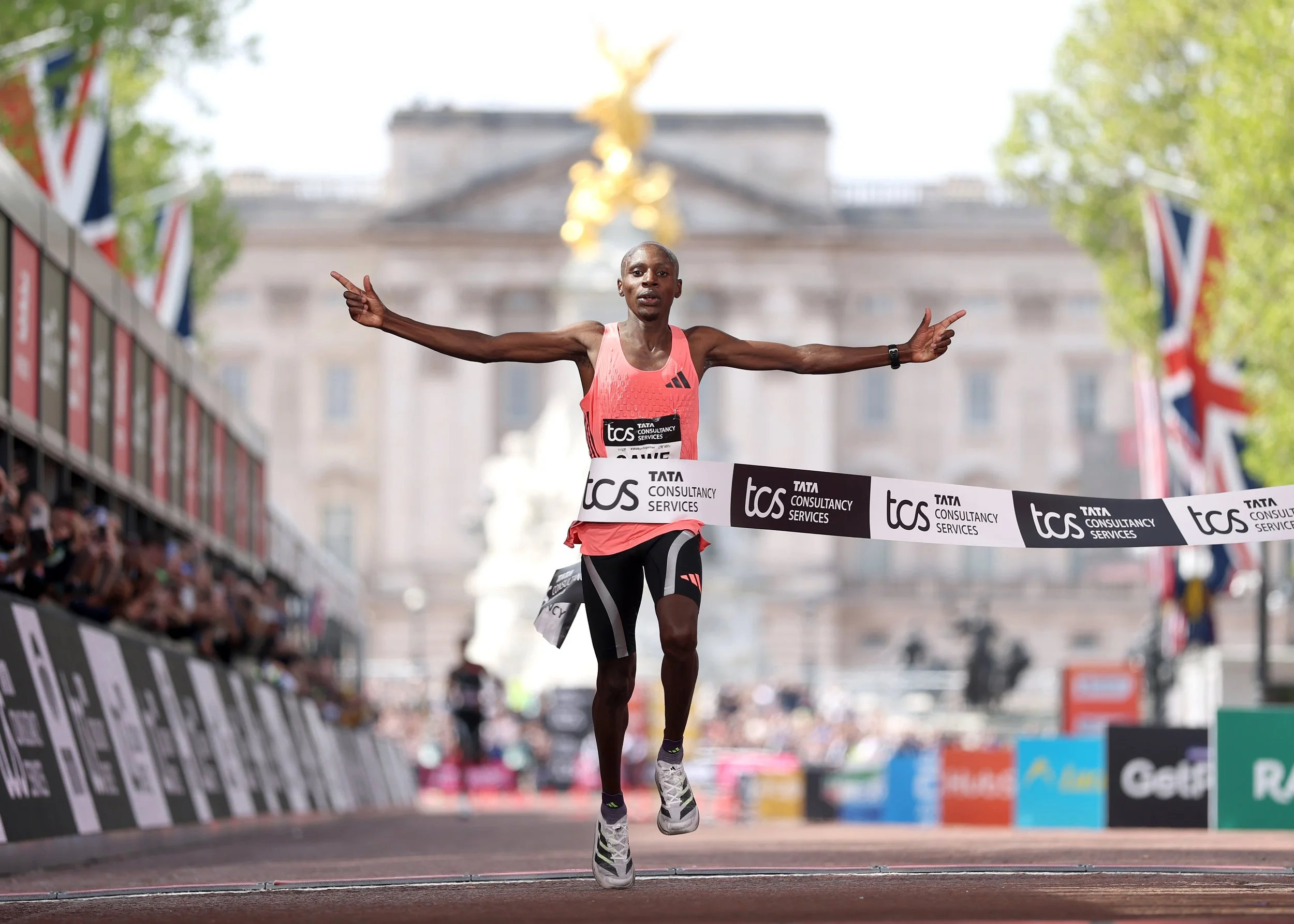
Reacting faster to sports moments through automation and scalable content.
adidas ✸ 2024
Senior Product Designer
Automation · Workflow Systems · Experimentation · Efficiency
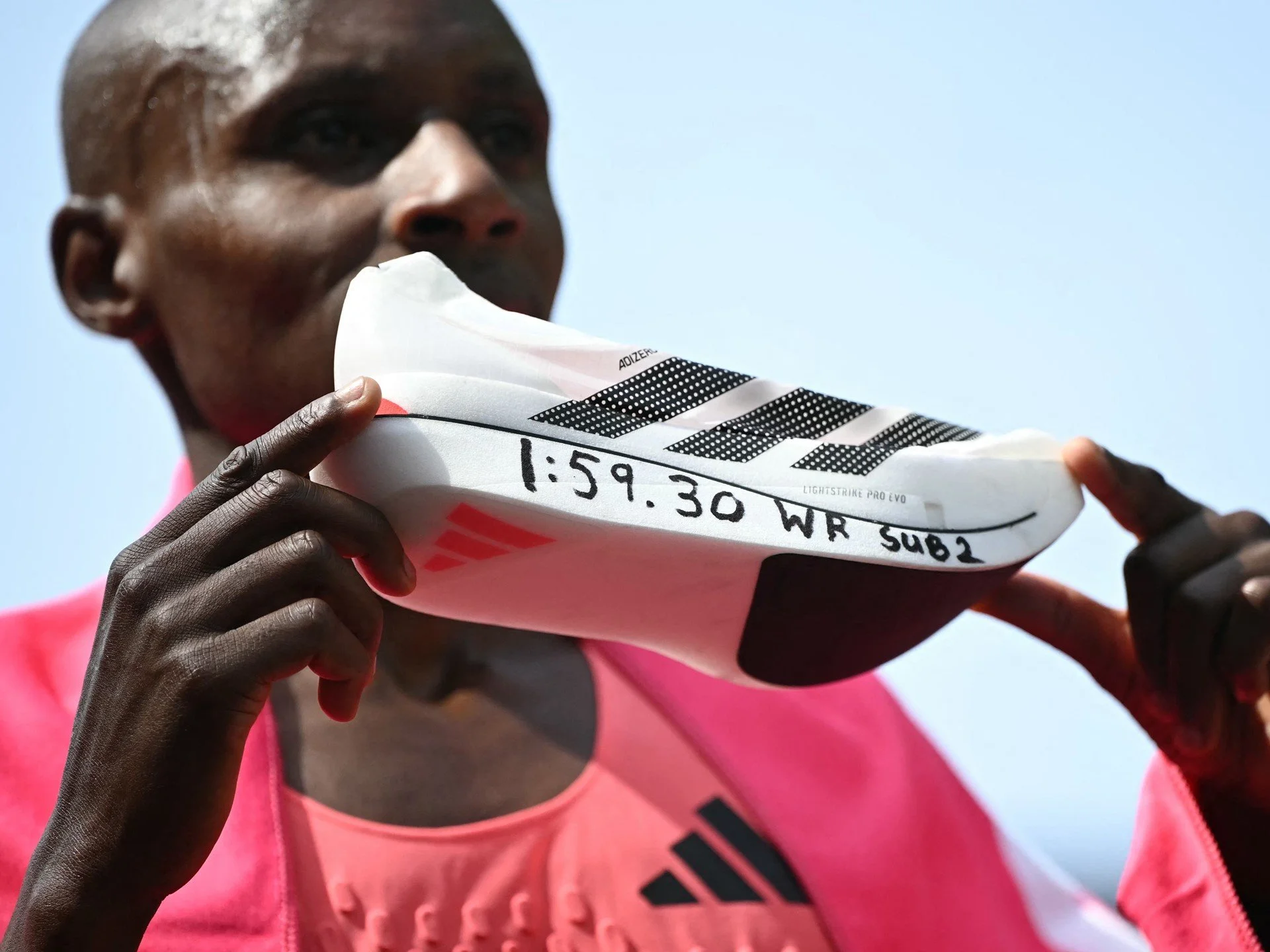
Reactive campaigns allow adidas to respond to cultural moments, athlete achievements and sport events while they are still relevant.
These moments can strengthen sports credibility, create cultural relevance and amplify athlete and product stories.
I explored how atomic content, automation and CMS integrations could reduce time to publish, operational effort and content waste.
Designed for planned campaigns. Needed for unpredictable moments.
4 weeks ✸ Partnered with Product Owner, Content Designer and Tech
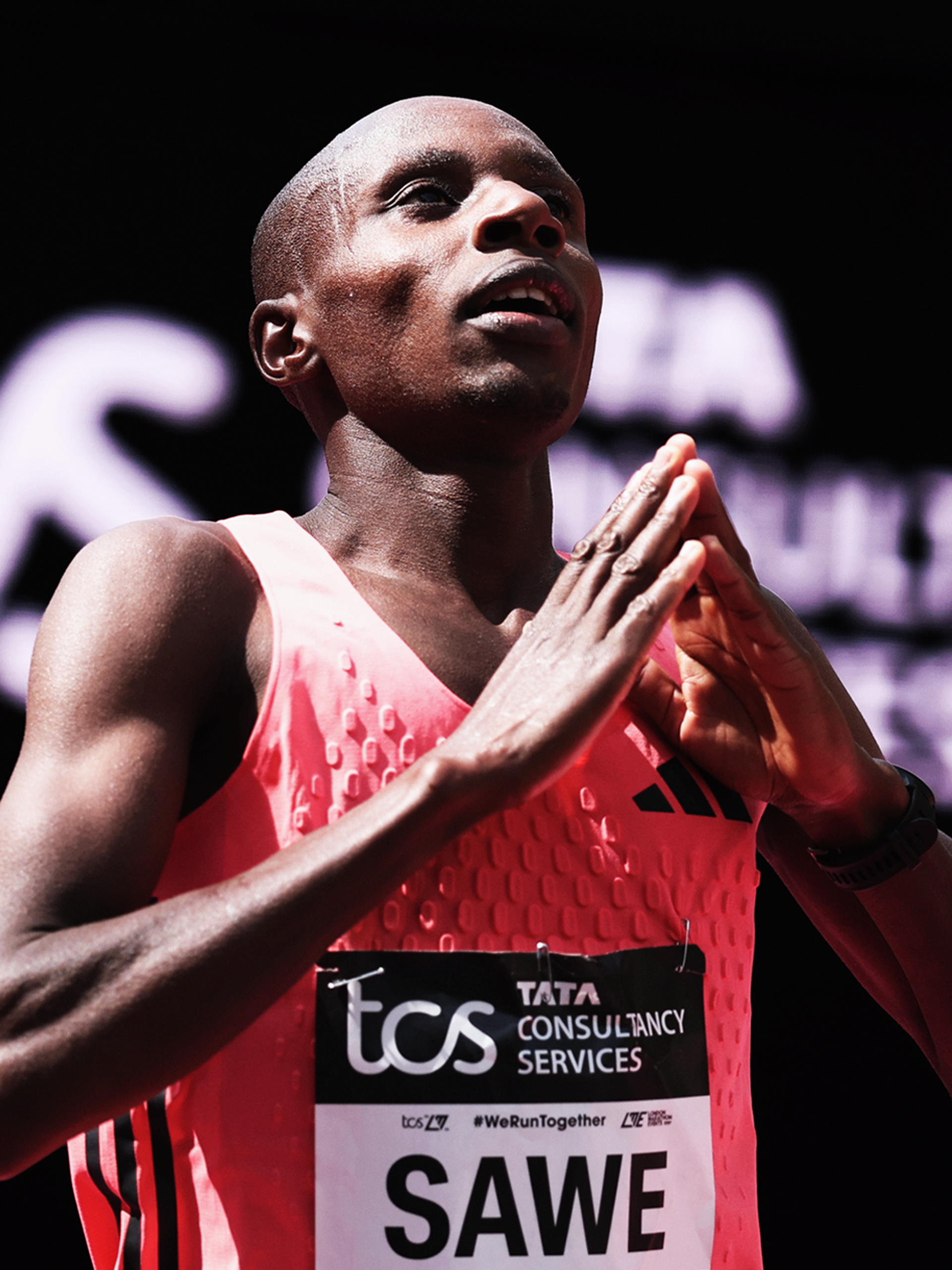
Preparing for every possible outcome created unnecessary work
/// Problem
Reactive campaigns often required teams to prepare multiple scenarios before knowing which sporting outcome would happen.
Once the event took place, content still needed to be manually created, uploaded and configured in the CMS before it could be published.
The opportunity wasn't simply to publish faster. It was to rethink how the system prepared for uncertainty.
For a weekend reactive campaign, the end-to-end process could take up to 20 hours, depending on campaign complexity. This created three key challenges:
1 — Slow response to real-time moments
Manual production and publishing made it harder to respond while the moment was still relevant
2 — High operational overhead
Content Managers spent significant time manually creating, configuring and publishing campaign content.
3 — Content waste
Teams prepared multiple scenarios in advance, even though many would never be published.
I led design from discovery to validation, defining how automation and integrations could enable faster, scalable campaign workflows.
—
discovery
Concept
Prototype
✷ Mapped the workflow — uncovered friction and opportunities for automation and content reuse.
✷ Reframed the opportunity — connected user and business needs to a scalable product direction.
✷ Shaped the solution — translated the opportunity into a tangible POC, exploring technical feasibility and system integrations
✷ Aligned stakeholders — partnered with global and local Content Activation teams to ensure the workflow reflected real operational needs.
Designing within an existing content ecosystem
/// Constraints
The solution had to work within an existing content ecosystem rather than introduce a new one.
✷ Atomic content needed to work across different scenarios.
✷ Existing CMS structures needed to remain reusable.
✷ Global + local teams needed clear ownership of preparation, QA and activation.
Prepare for every outcome without building every outcome
/// Decisions
01 — Model outcomes as scenarios
Treat each possible outcome as a scenario that can be prepared in advance and activated when needed.
02 — Separate content from placement
Keep CMS slots stable while allowing different scenario content to populate them.
03 — Automate scenario activation
Use atomic content, variables and CMS integrations to automatically assemble and publish the selected scenario to preview.
04 — Keep human QA in the loop
Give Content Managers the final review and approval before the experience goes live.
✷ Product — aligned on scope and business opportunity.
✷ Content Design — shaped the atomic content model and campaign scenarios.
✷ Engineering — tested technical feasibility and explored CMS integrations.
✷ Content Activation — validated the workflow against real publishing, QA and market needs.
I worked closely with product, content design, engineering, and global and local content activation teams throughout the exploration.
This collaboration helped turn an automation concept into a workflow that could work within the existing adidas content ecosystem.
/// Collaboration
/// Outcome
A validated model for scaling reactive publishing
The proposed workflow created a clear product and technical direction for scaling reactive campaigns — from scenario activation and automated assembly through preview, QA and live.
Presented to leadership as a strategic bet, the initiative gave the team a clearer view of the opportunity. It was ultimately deprioritized based on engineering capacity and dependencies, giving the business a more informed basis for where to invest next.
Reactive campaigns required a different way of thinking about content: not preparing every possible outcome, but designing a system that could respond to whichever outcome happened.
The project reinforced that good systems design has to account for technology, operations and organisational capacity, not just the ideal product experience.
The hardest part wasn't the automation. It was designing for uncertainty.
/// Reflection